Cupping for Recovery: When It Works and When Something Deeper Is Needed
You train consistently. You move intentionally. Your body usually cooperates.
Then soreness lingers. Tension returns to the same spot. That shoulder that felt better last week feels tight again. Recovery that used to take days now takes weeks.
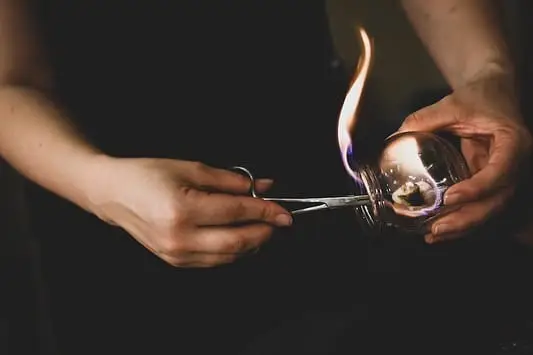
Cupping is excellent for what it does. One of the things it does well is local relief. Muscle tension releases. Circulation returns to compressed tissue. If your soreness resolves and stays resolved, cupping is often enough.
But if soreness keeps returning to the same place, the issue may not be your muscles.
When Cupping Shines
Cupping works well for:
- Acute muscle tension from training or long hours sitting.
- Localized soreness resolving in days or a week.
- General maintenance between workouts or work weeks.
- Stiffness tied to activity levels.
- Tightness you feel improving in the moment.
Tissue lifts. Blood moves. Compression softens. You walk out feeling different than you walked in. When relief holds, we don’t complicate it.
When Recovery Stalls
Notice if these patterns show up:
- The same area keeps getting sore.
- A joint never quite feels stable, even after rest.
- Soreness resolves but returns within days.
- You need frequent release work to feel okay.
- Recovery takes longer than it used to.
- Fatigue lingers even on rest days.
- You’re compensating in other areas without realizing it.
That’s not simple tightness. That’s compensation. And compensation works. Until it doesn’t.
Tissue vs. Regulation
Cupping addresses tissue directly. Effective at what it does. But we don’t start with tools. We start with patterns.
If the issue is systemic, local release becomes a temporary fix you repeat endlessly. Systemic means:
- Not sleeping deeply.
- Stress load stays high.
- Digestion is inconsistent.
- You’re pushing through fatigue.
- An old injury never fully reset.
- Your nervous system stays braced even at rest.
Your regulatory system coordinates how muscles tense, release, and recover. Your underlying pattern determines adaptation speed. Seasonal shifts, stress accumulation, training volume. These shape whether tissue stays supple or locks down again.
Upstream Work
Acupuncture works upstream. It addresses the regulatory system coordinating all this. When regulation normalizes, muscles release more easily and stay released. Recovery speeds up. Adaptation builds resilience.
How They Work Together
Cupping often fits inside fuller treatment plans. If you come in with acute soreness, cupping may be the primary tool. We assess tissue and call it done if relief holds.
If you come in with chronic tension or recurring strain, acupuncture addresses the pattern. Cupping supports tissue release. The combination produces different results than either alone.
For people managing stress while training, cupping during high-load seasons can be maintenance. During recovery seasons, acupuncture regulation allows you to train harder with less wear.
For movers rebuilding after injury, cupping helps tissue adapt. But if the original injury keeps almost happening, acupuncture often addresses why your system keeps heading toward that same vulnerability.
Sometimes cupping is sufficient. Sometimes it is supportive. Knowing the difference is the work.
The Larger Recovery
Recovery isn’t just loosening muscles. It’s restoring your body’s ability to adapt. Train hard, recover well. Your system grows resilient. Stress fuels. Soreness signals. Your body reorganizes rather than compensates.
Compensation works. Until it becomes injury. Until fatigue chronifies. Until patterns resurface. Cupping eases patterns. Acupuncture shifts them.
When tissue release suffices, we stop there. When regulation needs restoration, we address it directly. If your body keeps asking for the same relief, it’s asking for something deeper.
That’s the conversation worth having.
